The Hungarian Bride
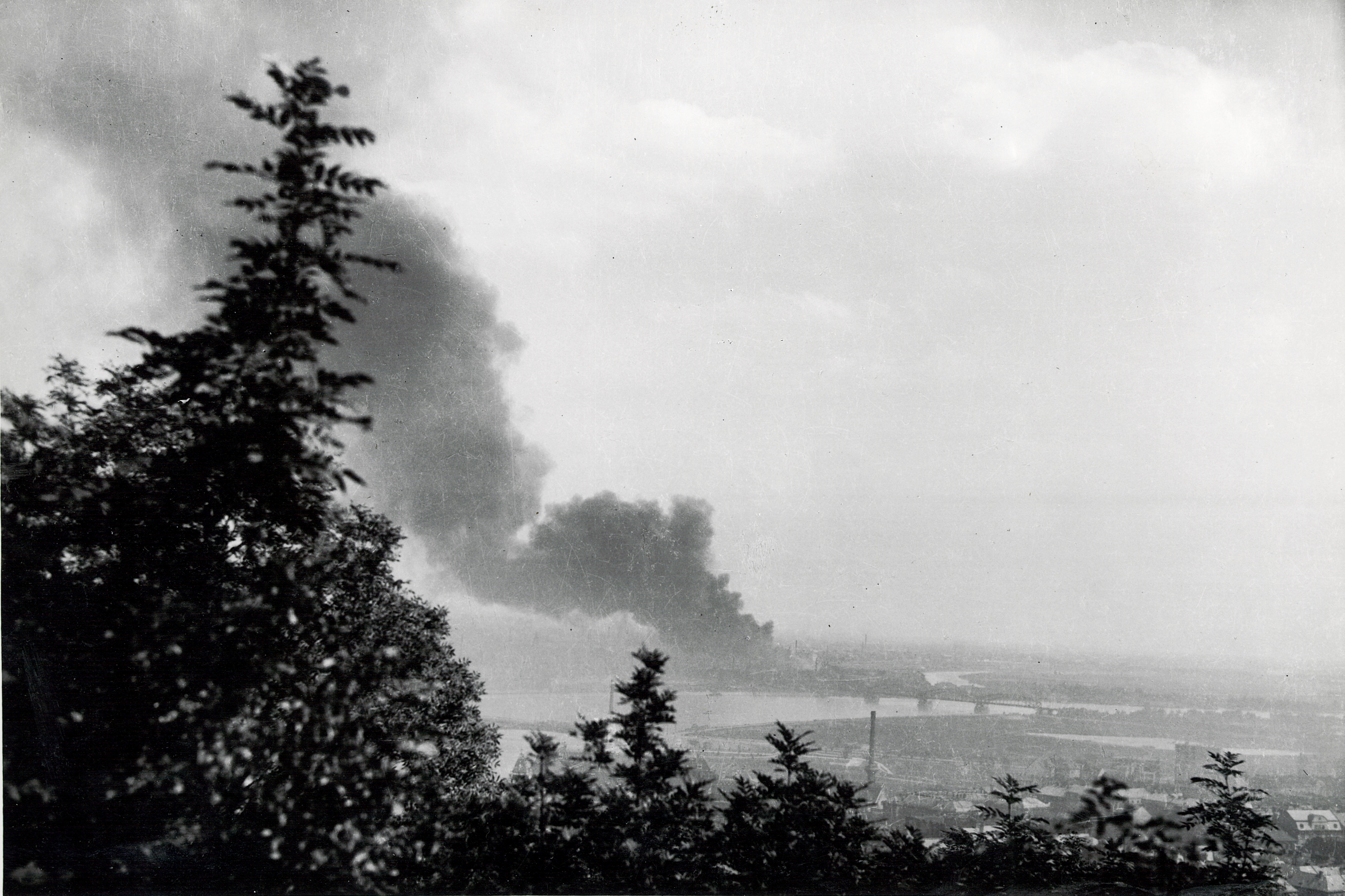
My darling István,
This is my three-hundredth letter. Three hundred mornings I have sat down at this table — your chair, the one with the wobbly leg you always meant to fix — and written your name. Three hundred times I have licked the envelope and written your address on the front, even though I no longer know where you are. Even though I suspect you are not receiving any of them.
I baked bejgli today from the last of the flour. I saved a piece for you. I wrapped it in wax paper and tied it with string and I put it in the drawer with the others — the little packets of walnut and poppy seed that I have been saving, each one more stale than the last, each one a small monument to my stubborn hope. The neighbors think I have lost my mind. Perhaps I have. But it seems to me that as long as I am saving food for you, you are still alive. As long as I am writing your name, you have not been erased from this world.
The cold is unbearable. We burn furniture now. Your bookcase went first — I cried when I broke the shelves, remembering how you ran your fingers along the spines every evening, looking for something to read aloud to me. The dining chairs followed. Then the wardrobe. I kept our bed for last. I sleep in it still, wrapped in both our blankets, pretending you are beside me. The city is starving. The bread ration is one slice per person per day, if you can find a bakery that hasn’t been bombed. We eat soup made from chestnuts and snow. The children in the cellar cry all night. Their mothers have stopped trying to comfort them. There is no comfort left to give.
The Danube is full of bodies. I try not to look. I try to remember what it looked like when we walked along it, your arm around my shoulder, the way the streetlamps made ripple of light on the water. Now it is a river of the dead, and the water moves sluggishly as if it too is tired. Yesterday I saw a child’s shoe floating past. A small brown shoe, the lace undone. I wondered if the child was still wearing it when she went into the water. I wondered if her mother was watching from somewhere, the same way I am watching from our window.
The Soviets are close. We hear the artillery day and night, a constant drum like a headache you cannot shake. The Germans have turned the Castle into a fortress and our beautiful city into a graveyard. I do not know which side I am more afraid of. I only know that I am afraid. I am afraid all the time, in a way I did not know a person could be afraid and still function. I peel potatoes. I sweep the floor. I write you letters. The fear is just another chore I carry with me.
Do you remember the chestnut tree in your mother’s garden? Every July we would sit beneath it and you would tell me about the constellations, pointing at stars I could never quite see. You were so patient with me. “There,” you would say, turning my chin with your finger. “Do you see it now?” And I would nod even when I didn’t, because I loved the feeling of your hand on my face. That tree is gone now. The garden is a crater. But I close my eyes and I can still feel your hand on my chin, turning my face toward the sky.
I have written you 300 letters, István. I have told you about the cat that had kittens in the coal shed. I have described every meal I cooked and every dream I had. I have confessed my loneliness and my fear and my love, over and over, in 300 different ways, as if I could wear a groove in the paper deep enough to reach you. And even if you never read a single one — even if you are dead, even if you have forgotten me, even if you are walking through some other city with some other woman’s arm around your shoulder — I know that you were loved. I know that somewhere in this terrible world, there is a man who is my husband, and that is enough for me.
It is Christmas Eve and the bombs are falling like unholy snow. Our Lady of the Snows Church was hit this morning. The statue of Mary toppled from her alcove and lay face-down in the street, and I thought: even heaven is falling. But I lit a candle anyway. I said a prayer anyway. I wrote you a letter anyway. Because that is what I do. That is who I am. I am the woman who loves István Kovács, and I will keep writing until the last bomb falls and the last candle burns out and the last piece of paper turns to ash.
If you come home — and God help me, I still believe you will — the letters are in the wooden box beneath the bed, tied with your red ribbon. Read them in order. They are the story of my heart, day by day, from the morning you left to whatever morning this ends.
I love you. I love you. I love you.
Yours, across rivers and mountains and years, Ilona
P.S. — The bejgli is in the drawer. It is probably hard as stone by now. But I saved it anyway.
What Happened
Aftermath
Historical Context
Timeline
Ilona and István marry in Budapest. Hungary is already at war, but the city still feels safe.
István is conscripted into a Hungarian labor battalion. He is sent to the eastern front.
Ilona writes her first letter. She will write another nearly every day for the next ten months.
Ilona writes her 300th and final letter. She is killed by a Soviet bomb that same night.
István is captured by Soviet forces near Budapest. He does not learn of Ilona's fate.
István returns to Budapest and finds the box of 300 letters in the ruins of their apartment.
Erzsébet donates the letters to the Hungarian National Museum, where they remain today.
Origin
More from World War II
The Last Christmas
On Christmas Eve 1944, surrounded by Germans in the frozen foxholes of Bastogne, Private First Class Robert Giordano wrote to his wife Rose in Brooklyn. He was killed the next day. The letter was found frozen in his hand.
Robert Giordano → Rose Giordano
The Night Before D-Day
Written the night before loading onto transports for D-Day, this letter was found in Bobby's barracks bag after he was killed when his C-47 was hit by flak over Utah Beach.
Sergeant Robert "Bobby" Sullivan → Margaret "Maggie" Sullivan
The Garden We Never Planted
Written the night before D-Day, this letter was held by the Red Cross and delivered to Eleanor six months after Thomas was reported missing.
Thomas Whitaker → Eleanor Whitaker