Through the Blackout
My darling Harry,
I am writing this by the light of a single candle in Mrs. Higgins’ basement. The electricity is out again — the third time this week — and the wax is dripping onto the page, but I cannot stop writing. Writing to you is the only thing that makes me feel sane.
The sirens went at nine. They always go at nine now, as punctual as the evening post used to be. The drone is starting — that low, hateful hum that grows and grows until you feel it in your teeth. I can hear the anti-aircraft guns from the park, thumping like a giant’s heartbeat. Mrs. Higgins is singing “We’ll Meet Again” in the corner, quite off-key but I haven’t the heart to tell her. The cat, bless him, has buried his head under my arm and refuses to move.
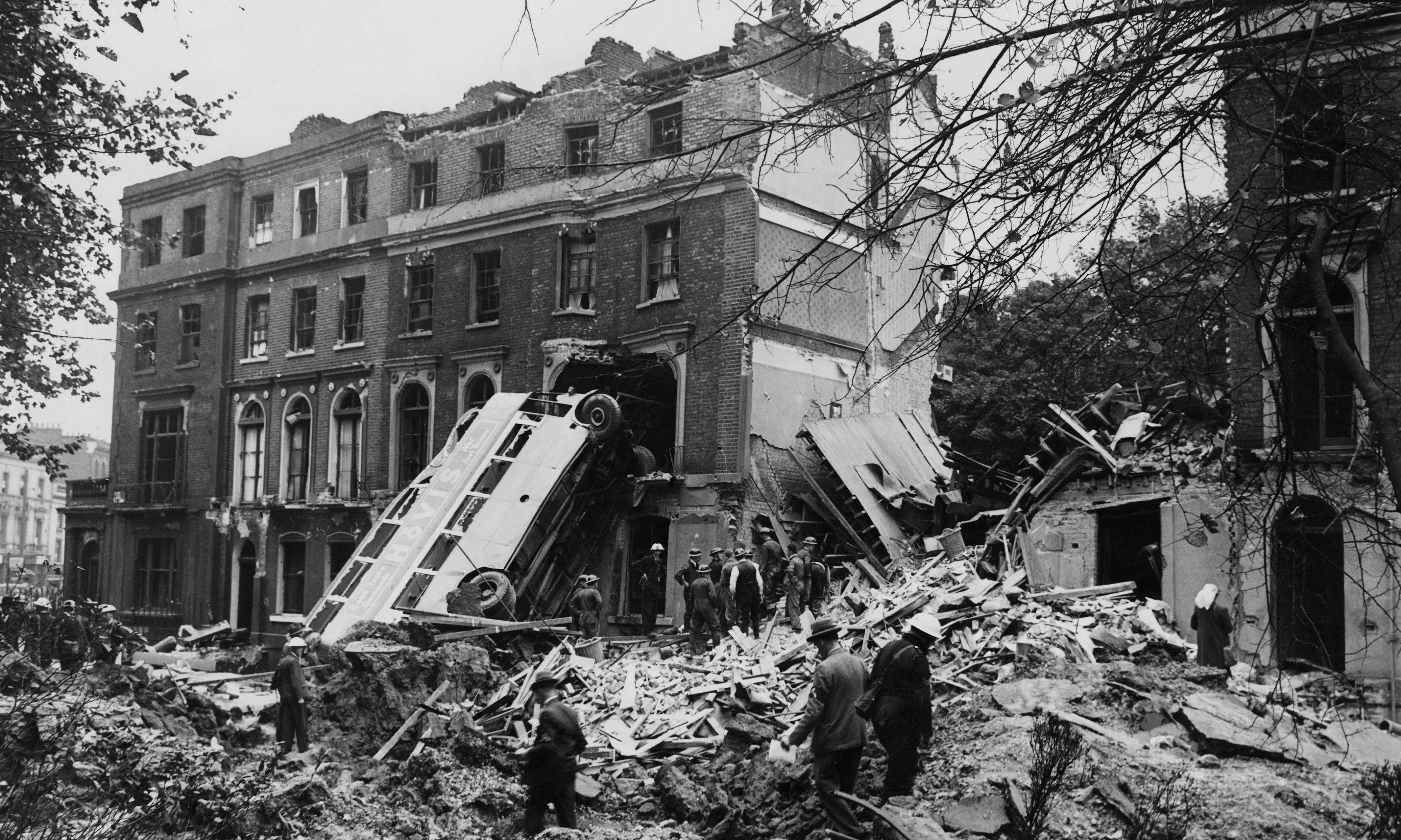
I went out between raids this afternoon. My shift as an ARP warden. Harry, the street is not the street anymore. There is a crater where the newsagent’s used to be. Mr. Bell’s house is gone — just a pile of brick dust and a standing chimney. He was sitting on a chair in his garden, drinking tea, staring at where his front door had been. He asked me if I’d seen his wife. She was at the shops when the first bomb fell. I don’t think she’s coming back.
But here is the strangest thing: the rose bush in our garden is still blooming. The one you planted when we moved in. The blast from Tuesday’s raid took out the fence and scattered glass across the lawn, but the roses are there, defiant, the most ridiculous shade of pink I have ever seen. I picked one and put it in a jar. It sits on the kitchen table as if everything were normal.
I don’t know if you’re receiving any of my letters. The Red Cross says letters are getting through to the camps, but slowly. I keep writing as if they’ll reach you. It’s the only way to feel close. I imagine you reading this in some cramped hut in Poland, surrounded by other men who are also trying to remember what home feels like. I hope you can smell the rose.
I have to go. The All Clear hasn’t sounded yet but I heard a whistle and a crump that sounded too close. The candle is low. I will seal this letter and add it to the stack.
Come back to me, Harry. Come back to your rose bush and your impossible wife and your cat who has forgotten what silence sounds like.
All my love, all of it, Evelyn
I don’t know if I’ll ever send this. But I needed to write it. If you’re reading this one day, know that I am thinking of you at this very moment, in this basement, by this candle, and I will not stop until you are home.
Evelyn Pearce (née Browning) was born in 1912 in Clerkenwell, London. Before the war she worked as a librarian at the Holborn Public Library. She volunteered as an ARP Warden and with the Women's Voluntary Service in September 1939, barely a week after war was declared. Known on her street for her pots of tea carried into the Anderson shelters and her stubborn refusal to be frightened. She married Harry Pearce in 1938 after a whirlwind courtship that began over a returned library book.
What Happened
Aftermath
Historical Context
Timeline
Dunkirk evacuation begins. Harry, part of the rearguard, is captured by German forces.
Evelyn learns through the War Office that Harry is a POW, but his exact camp address is unclear.
The Blitz begins. London is bombed for the first of 56 consecutive nights.
Evelyn writes this letter by candlelight in the basement during a raid. Cannot send it without Harry's address.
The worst raid of the Blitz — over 1,400 killed. The next night, the bombing stops.
Harry is liberated from Stalag XX-A by advancing Soviet forces.
Harry returns to London. He and Evelyn are reunited at Paddington Station.
Evelyn dies at 86. Her daughter discovers the unsent letter in "Mrs. Dalloway."
Origin
More from World War II
The Diary That Never Stopped
After her RAF pilot husband was shot down over France, Doreen Wright wrote him a letter every single day for three years — 1,095 letters — even after she knew he was dead. None were ever mailed.
Doreen Wright → Gilbert Wright
A Letter Never Sent
Found hidden in the walls of a Berlin apartment during renovations in 1998. Hannah wrote this letter to her husband Karl, who had been taken to the Eastern Front. She died in a bombing raid before she could mail it.
Hannah Weiss → Karl Weiss
The D-Day Wife
On June 6, 1944, Audrey Gerrans stood on Snips Hill waving a white handkerchief as her husband's convoy rolled past in the dark. She didn't know if he saw her. She wrote him this letter anyway.
Audrey Gerrans → Joe Gerrans