The Greek Parting
Agapimeni mou Eleni,
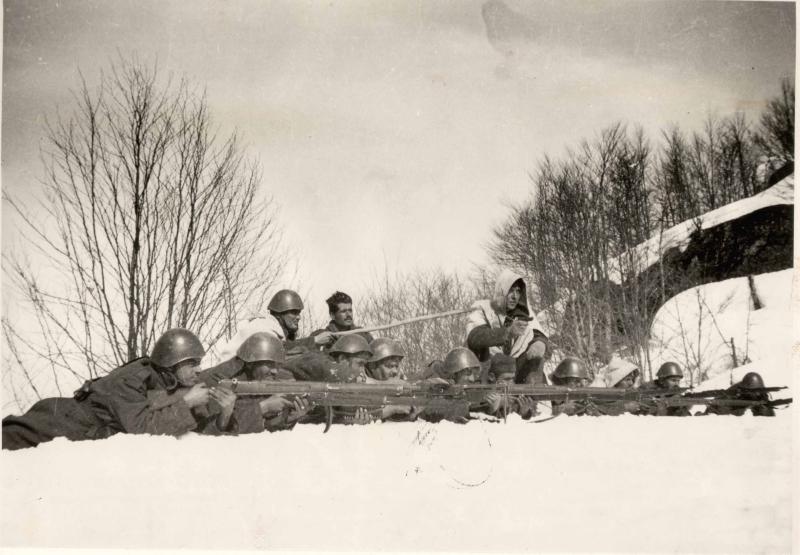
The snow is falling again. It has been falling for three days now, and the mountains are white as far as the eye can see. I am sitting in a foxhole with my men, sharing a cigarette and trying to warm my hands over a fire made from a captured Italian ammunition box. The Italians thought we would surrender in two weeks. It has been two months, and they are the ones retreating.
We are a small country, but we have big hearts. We have the mountains, and the mountains do not surrender. We have the memory of our ancestors, and our ancestors did not bow to anyone. And we have each other — Greeks fighting for Greece, side by side, in the snow of the northern border.
My father once told me that the difference between a Greek and everyone else is that we know who we are. We know that our great-grandfathers fought for the same soil, the same sky, the same idea of freedom. When I was a boy, he took me to the Acropolis. We stood at the foot of the Parthenon, and he put his hand on my shoulder and said: “This is what we fight for.” I did not understand then. I understand now.
The Italians have better boots. I am wearing boots taken from a dead man — they fit well enough. They have better food. We eat bread and olives and cheese from the villages below. But they do not have what we have. They do not have the fire in their chests. They do not have a homeland worth dying for.
I think about you constantly. In the quiet moments between shelling, when the snow muffles everything and the world goes still, I close my eyes and I am there with you — in our bed, in the morning light, your hair spread across the pillow, your hand reaching for mine.
We have been married for three years. Three years of arguments and laughter and quiet evenings on the balcony. Three years of learning each other’s silences, of knowing what the other is thinking without a word. Three years of love that has only grown deeper with every passing day.
I have loved you for every second of every day.
If I die on this mountain, know that my last thought was of your eyes. They are bluer than the Aegean. They are the color of the sky over the Cyclades in July. They are the reason I believe in heaven — because eyes like yours must come from somewhere divine.
Do not grieve too long. Do not wear black forever. If you must mourn, mourn in the sun. Mourn by the sea. Mourn under the olive trees in the grove where we first kissed.
But do not forget me. Remember me in the spring, when the wildflowers bloom in the mountains. Remember me in the autumn, when the grapes are harvested and the wine is red. Remember me in the winter, when the snow falls on the Pindus and I am part of the mountain now.
I am not afraid to die. I am afraid to leave you. But I am more afraid of living in a world where Greece is not free. And so I will stay here, in the snow, and I will fight. And if I fall, I will fall facing the enemy, with your name on my lips and Greece in my heart.
I love you. I have always loved you. I will always love you.
Your Nikos
Zito i Ellas. Long live Greece.
What Happened
Aftermath
Historical Context
Timeline
Mussolini issues ultimatum to Greece. Prime Minister Metaxas responds with "Oxi" (No). War begins.
Nikos deploys to the Pindus Mountains with the Greek II Army Corps.
Nikos writes his letter from a forward position. The Greeks are advancing.
Nikos is killed by an Italian mortar round. His men bury him on the mountain.
Germany invades Greece. The country falls within weeks.
Eleni dies at 101. The letter is found in her belongings and donated to the War Museum of Athens.
Origin
More from World War II
The Norwegian Ski Soldier
Norwegian ski trooper Erik Solberg wrote to his wife Ingrid from a mountain cabin during the Battle of Narvik. His letter was found in the pocket of his white camouflage jacket, stained with snow and blood.
Erik Solberg → Ingrid Solberg
The Polish Pilot
Squadron Leader Tadeusz Kowalski of 303 Squadron RAF wrote this letter on the eve of the decisive Battle of Britain engagement. He fought for England but dreamed of Poland — and the wife and daughter he left behind in Warsaw.
Tadeusz 'Tadzio' Kowalski → Anna Kowalski
Above the Clouds
Written at dawn on Battle of Britain Day — the decisive air battle over England. Jimmy was shot down hours later. The letter was found in his locker at RAF Middle Wallop.
Flight Lieutenant James 'Jimmy' Armstrong → Rose Armstrong