The Filipino Love Letter
Mahal kong Maria,
I write this by the light of a burning truck. There is nothing left to eat but mule meat and a handful of rice. The men are too weak to stand. But we held the line for three months. We gave America time. We gave MacArthur time to build his forces in Australia. We gave the world a chance.
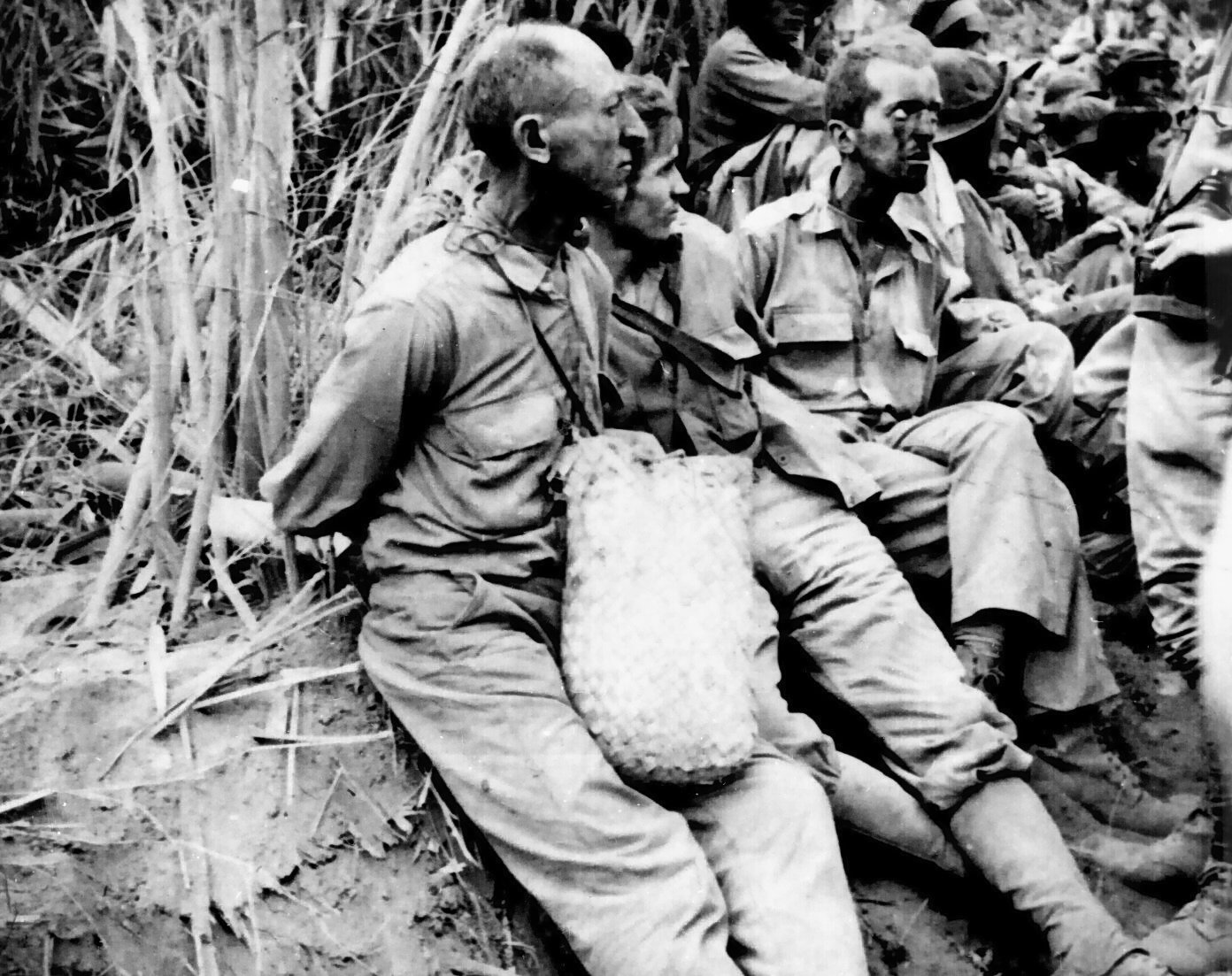
Tomorrow we will surrender. General King is negotiating the terms now. There is no shame in it — we have nothing left. No food. No medicine. No ammunition. The men are dying of malaria and starvation faster than the Japanese can kill them. We fought until we could fight no more. That is enough.
I do not know what will happen to us after we surrender. The Japanese are not known for mercy. But I want you to know that I am not afraid. I have done my duty. I have served my country. And I have loved you — that is the most important thing I have done in my life.
Your photograph is the only thing I have left. It is creased and worn from being carried in my pocket through mud and rain and jungle heat. I look at it and remember the mango trees in your grandmother’s yard, the taste of buko juice on a hot afternoon, your hand in mine as we walked along the shore at sunset. I remember your laughter when I tried to dance at our wedding. I remember the way you looked at me when you said yes. I carry all of it with me.
If I do not come home, plant a mango tree in my memory. I will be the wind in its leaves. I will be the sun that ripens its fruit. I will be the rain that waters its roots.
Tell our families that I died standing. Tell them that I was never defeated, even when I was starving. Tell them that the Filipino soldier held his head high until the very end.
Maria, my love, my life, my heart — if this is the last letter you ever receive from me, know this: I loved you without condition, without reservation, without end. You were my home when I had no home. You were my peace when the world was at war.
I do not know what comes after death. But if there is a next life, I will find you again. I will find you in every lifetime, in every world, in every corner of the universe.
I love you. I love you. I love you.
Your Miguel
Huwag kang matakot. Mahal kita.
What Happened
Aftermath
Historical Context
Timeline
Japan invades the Philippines hours after Pearl Harbor. Miguel's unit is deployed to Bataan.
The Battle of Bataan begins. Filipino and American forces fall back to the peninsula.
The eve of surrender. Miguel writes his letter by the light of a burning truck. Food and ammunition are gone.
Bataan surrenders. Miguel and his men are taken prisoner. The Death March begins.
Miguel dies at Cabanatuan POW Camp. He is buried in a mass grave.
Jose Ramos delivers the letter to Maria. She plants a mango tree.
Maria dies at 95. The mango tree still stands in the yard of the Santos family home.
Origin
More from World War II
The Moon Over Changsha
Found in the lining of a sergeant's cap after he fell defending the bridge approach at Changsha. He wrote this by moonlight on scrap paper, knowing he would not see the morning.
Sergeant Liang Weiguo → Lin Mei
The Cherry Blossom Winds
A kamikaze pilot's final letter to his young wife, written the day before his mission. The letter is composed in careful calligraphy and includes a death poem.
Lieutenant Kenji Yamamoto → Yuki Yamamoto
The Submarine Man
A submarine communications officer writes to his wife about their newborn son — whom he has never seen. His submarine was sunk 25 days later. All hands lost.
Harold 'Hal' Jensen → Rae Jensen