The Locket
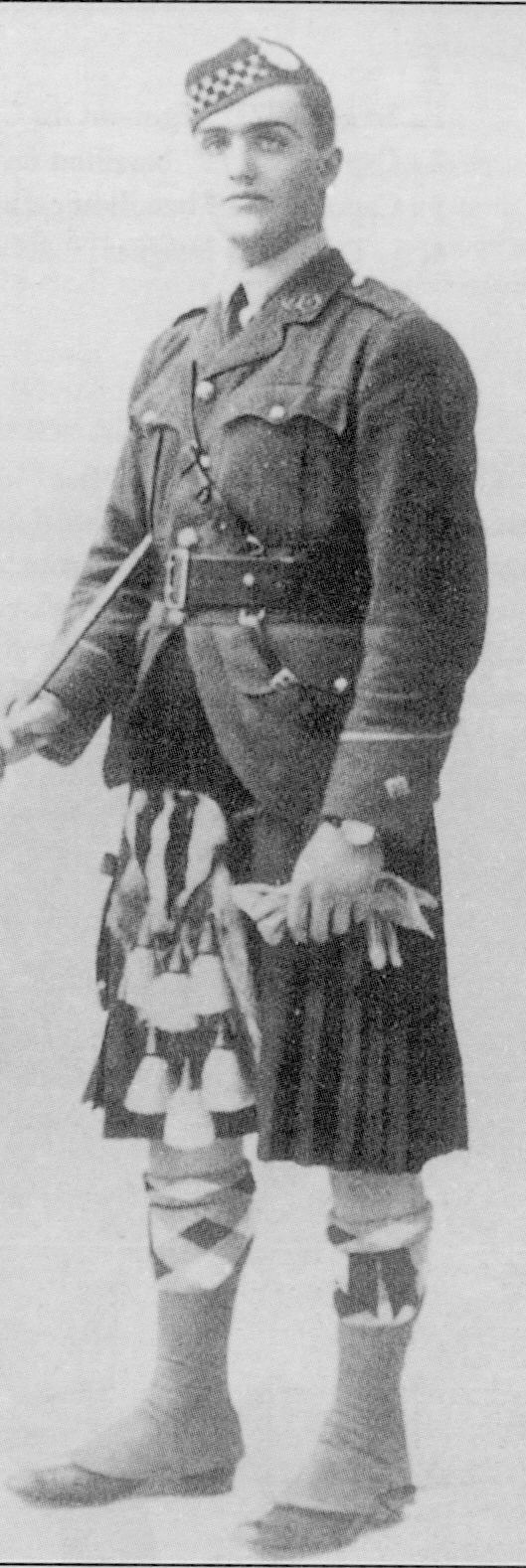
My dearest Vera,
By this you will know that I have been killed.
I have imagined writing those words a hundred times, and every time I crossed them out. But there is no time left for crossing out. The attack is tomorrow at dawn, and I have learned something in these months of soldiering: a man should not die with secrets.
I meant to ask you to be engaged to me. I had it all planned. The ring is in my kit bag — a small sapphire, because I remembered you once said you liked blue stones. I was going to ask you at the lake, in the evening when the light was golden and the water was still. I rehearsed the words on the train journey down from London. I said them to myself in the mirror of my hotel room. I walked all the way to your house with the ring in my pocket and my heart pounding so hard I thought it would break my ribs.
And then I saw you at the door, and you smiled, and I forgot every word I had ever known.
I am sorry, Vera. I am sorry I was a coward. I am sorry I sat in your drawing room making small talk about the weather when I wanted to fall on my knees and tell you that you were the most beautiful thing God ever made. I am sorry I shook your hand like a stranger when I wanted to hold it forever. I am sorry I let my fear of losing you stop me from asking you to be mine — because now the losing is done, and I never even tried to win.
I loved you very very much. I want you to know that. I loved you from the moment I saw you at that tiresome party, standing by the window with the light in your hair, looking bored and beautiful and utterly out of my league. I loved you when you laughed at my terrible jokes. I loved you when you talked about the books you read and the places you wanted to see. I loved you when you were kind to the servants and when you argued with your father and when you sat in silence, staring out at the rain, your thoughts a thousand miles away. I loved all of you, Vera. Every part.
I would have done anything for you. I would have climbed mountains. I would have crossed oceans. I would have survived this war and built you a home and given you children and grown old beside you, holding your hand in the garden in the evening light. I would have been worthy of you, Vera. I would have spent my whole life trying.
The ring is in my kit bag. The locket with your photograph — the one I bought from a street vendor in Paris, not worth more than a few francs — is pressed against my heart. I want you to have both. Not because they are valuable, but because they were mine, and because I want some part of me to stay with you.
I hear the men moving in the dark. The sergeants are whispering the orders. It is time.
Ever your own loving boy, Harry
P.S. — I wrote your name in the back of my Bible. If they find my body, they will know who to tell. But more than that — I wanted your name to be the last thing written in the book I carried through the war.
Second Letter — A Response
What Happened
Aftermath
Historical Context
Timeline
Harry Cromie enlists in the Grenadier Guards at the age of 18. He is commissioned as a second lieutenant.
Harry meets Vera Vereker at a party in London. He writes in his diary: 'Met the most beautiful girl I have ever seen.'
Harry is promoted to captain at 19 — one of the youngest in the regiment. He is deployed to France.
Harry gets his last leave. He has five days in London. He intends to propose to Vera but loses his nerve.
Harry writes this letter on the eve of battle near Lesboeufs. He seals the ring in his kit bag.
Harry is killed leading his company in the attack on German trenches. He is 19 years old.
Vera receives the letter, the locket, and the ring. She never marries Harry, but she never lets go of the letter.
Vera dies at 91. She gives the locket to her granddaughter on her deathbed.
The letter is discovered by Vera's other granddaughter, Sarah, in a box of old family papers.
Sarah brings the letter to the Antiques Roadshow. The story goes viral. The letter is acquired by the Guards Museum.
Origin
More from World War I
My Darling Zen
Frederick Key wrote 42 letters and 15 postcards to his beloved Zen Hall. This was his last — written on Valentine's Day 1916. He died on the first day of the Somme. She wrote in her diary: 'Letter came saying my darling killed... went to Lichfield.'
Frederick Key → Zen Hall
The Boy Who Died on His Wedding Day
Thomas married his childhood sweetheart Emily at 8 AM on July 1, 1916. By noon he was on the front. By 4 PM he was dead. His letter was found in his breast pocket, still smelling of her perfume from the ceremony.
Thomas Fletcher → Emily Fletcher
My Dearest Margaret
Written on the eve of the Battle of the Somme, this letter was found in William's tunic pocket after he fell on the first day of battle.
William Clarke → Margaret Clarke