Christmas Eve, 1917
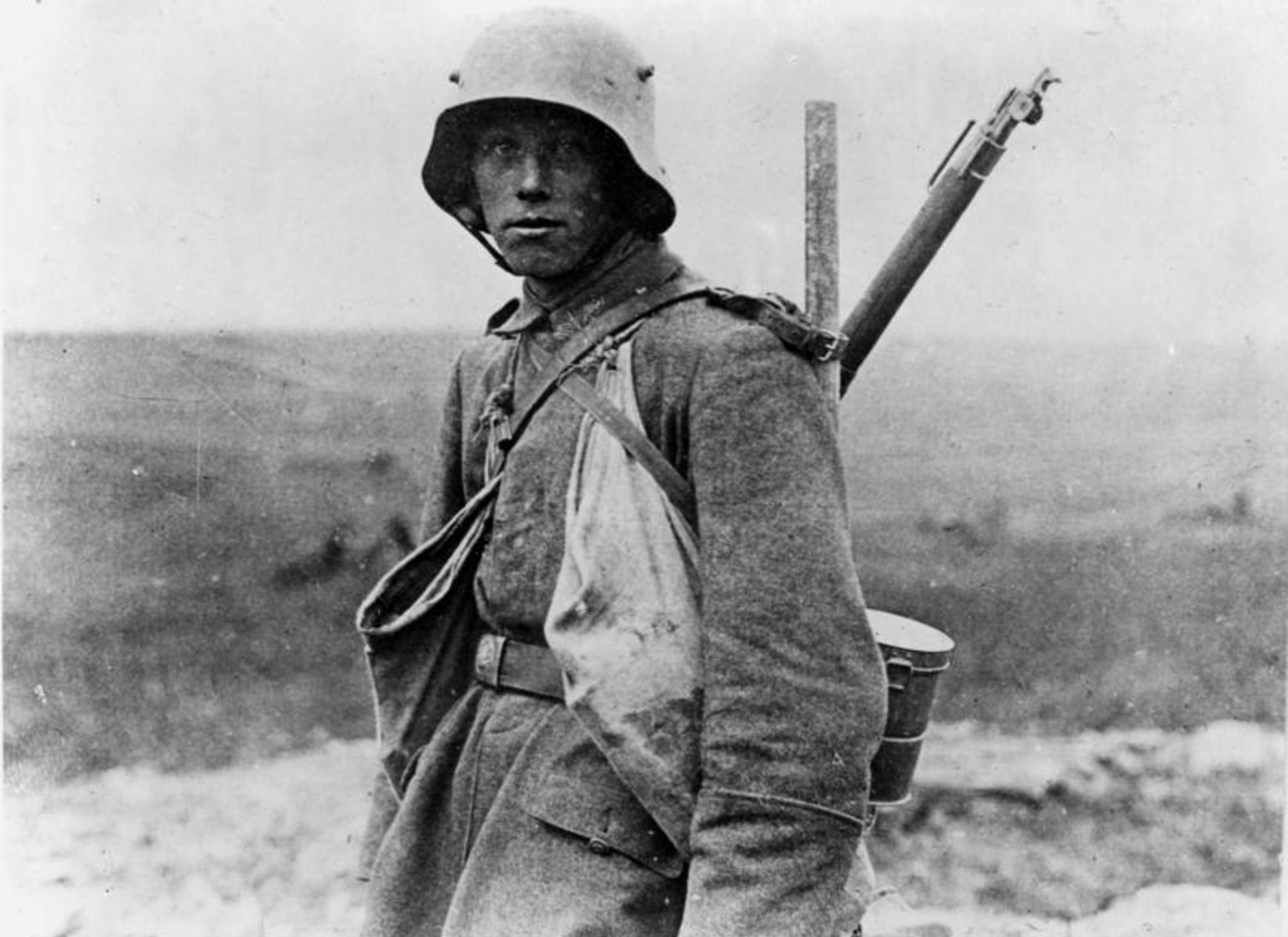
Meine liebe Greta,
It is Christmas Eve, and something remarkable has happened. This morning, the guns fell silent. Not by order — no officer commanded it. It simply happened. One by one, the men stopped shooting.
And then we heard it: singing. From the British trenches, faint at first, then growing stronger. Stille Nacht. They were singing our carol, in our language. And then our boys began to sing along.
I climbed out of the trench, Greta. I know it was foolish. But I had to see. And there, in the frozen expanse between the lines, I saw figures moving toward each other. Men shaking hands. Trading cigarettes and chocolate. Showing each other photographs of their wives and children.
For one night, we were not enemies. We were just men, far from home, who wanted to be with the ones we love.
I thought of you all night. Of our first Christmas together, when you burned the roast and we laughed until we cried. Of the way you hum when you’re happy. Of the small life we built, so fragile, so precious.
I have no gift to send you but this letter and the knowledge that I love you. Keep the home fires burning, my darling. I will come back to them.
Yours, Friedrich
What Happened
Aftermath
Historical Context
Timeline
Germany declares war on Russia. Friedrich, a university student, volunteers for the Bavarian Army.
The Battle of Verdun begins. Friedrich's unit is deployed to the fortress city.
Friedrich is wounded by shrapnel and evacuated to a field hospital. He writes to Greta for the first time in months.
Friedrich writes this letter during the unofficial Christmas ceasefire.
Armistice is signed. Friedrich is in a field hospital recovering from his second wound.
Friedrich returns to Munich and reunites with Greta — on Christmas Eve, exactly a year after his letter.
Friedrich and Greta marry in Munich.
Origin
More from World War I
The Christmas Truce Letter
A German theology student writes to a woman he has never met — falling in love with her photograph during the Christmas Truce of 1914. The letter was found in his kit after he was killed.
Klaus Weber → Alice
The Professor's Letters
A classics professor from Heidelberg — a man who taught Homer and Goethe — volunteers for war and writes to his wife from Flanders. He was killed at Langemarck, one of the 'Kindermord' — the Massacre of the Innocents.
Johannes Richter → Elfriede Richter
I Never Got to Say Goodbye
Henri wrote to his wife Marie from the hell of Verdun, describing a daughter he had never seen. The letter fell from his pocket as he died. A German soldier kept it for ninety years before it was returned to Henri's granddaughter.
Henri Dubois → Marie Dubois