The Baby I Never Held
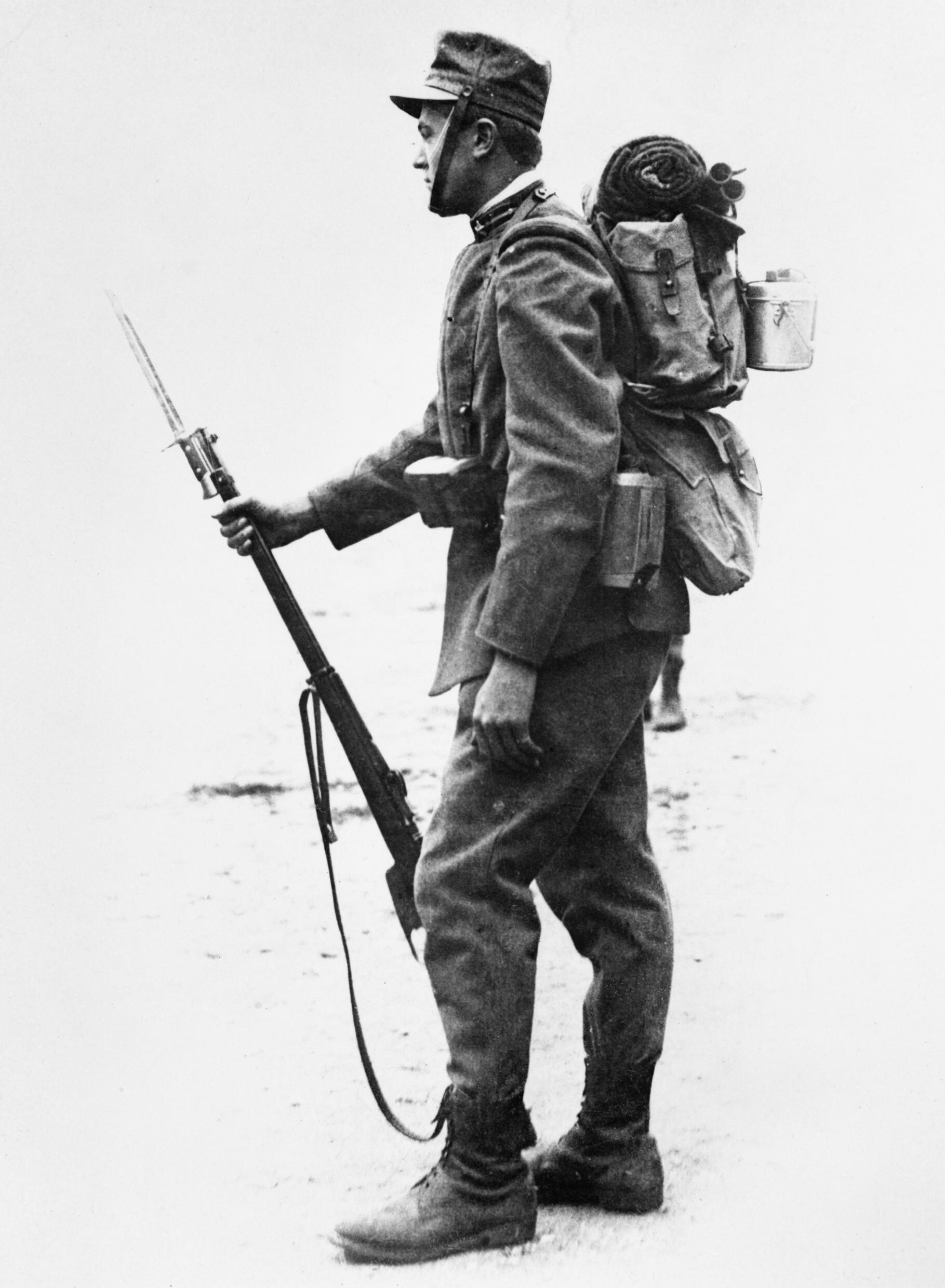
My dearest Elena,
The snow is falling on the mountains. Not yet at our altitude, but I can see it on the peaks above us, white and cold and permanent. The men say this will be a hard winter. I look at the mountains and I think of our hills in Tuscany, soft and green, where the sun warms the stone walls and the olives glisten. I think of you standing in the doorway of our house, wiping your hands on your apron, the light catching your hair. I think of the life I left behind, and I ache with the missing of it.
I have the photograph. You cannot imagine what it means to me — this small square of paper with the face of our son. I look at it every night before I sleep. I trace the curve of his cheek with my finger. I try to imagine the sound of his cry, the warmth of his skin, the impossible smallness of his hand wrapped around mine. They tell me he has my eyes. But he has your heart, my love. Of that I am certain. He has your stubborn chin, your quiet strength, the fire that I fell in love with on a summer evening when you were shelling peas in the garden and you looked up and smiled at me and the world changed forever.
Tell our son about me. Not the soldier — I do not want him to remember me as a man in a uniform, his face half-hidden by a tin hat, his hands stained with mud. Tell him about the man who loved his mother before he ever saw the sea. Tell him about the night we climbed the bell tower of the village church and watched the stars wheel over the valley, and I told you I would love you until the last star burned out. Tell him I was a farmer who loved the soil, who could tell you when rain was coming by the smell of the air, who planted olive trees knowing he might not live to see them bear fruit. Tell him I was a man who dreamed of a son, and whose dream came true.
The cold here is unlike anything I have ever known. It seeps into your bones and settles there, a permanent winter. My feet are numb, and my fingers shake as I write this. But there is a fire in my chest that will not go out. It is you. It is him. It is the thought of home, of the kitchen where we laughed, of the bed where we held each other, of the small life we made together that I carry with me like a shield.
The officers say the enemy is massing. Something is coming. The air feels wrong, charged like before a thunderstorm. If I do not come home — and I want to, Elena, God knows I want to — promise me you will tell our son that I loved him before I ever knew him. Promise me you will tell him that I fought my way back to the thought of him, through the mud and the blood and the cold, and that I never stopped fighting.
I dream of Tuscany. I dream of walking with you through the vineyards in autumn, the air sharp and sweet, your hand in mine. I dream of teaching our son to ride a bicycle on the road past the church, of watching him fall and get up again, of seeing your face in his smile.
Hold him for me. Kiss him for me. Tell him his father loved him.
Your Marco
What Happened
Aftermath
Historical Context
Timeline
Italy declares war on Austria-Hungary. Marco, a farmer from Tuscany, is mobilized into the Italian Army.
Marco and Elena marry in their village church in Tuscany. He has three days of leave.
Elena gives birth to their son, Marco Jr. Marco is at the front and cannot return.
Marco receives a photograph of his son. He writes that the baby has his eyes but Elena's heart.
Marco writes this letter from the trenches near Caporetto. The Austro-German offensive begins hours later.
Marco is killed during the collapse of the Italian front. His body is never found.
Elena receives Marco's letter and the death notification.
Marco Jr., now 27, is killed fighting as a partisan — exactly 27 years after his father, at the same age.
Elena dies of grief. The letter is found in her hands.
Origin
More from World War I
From the Ridge, with Pride
Written from a captured German dugout on the heights of Vimy Ridge on the morning after the victory. Tommy's letter is a love letter to his wife and a declaration of a nation's coming of age.
Thomas "Tommy" MacKenzie → Eleanor MacKenzie
The Last Night Before the War
A French farmer conscripted in August 1914 writes to his wife of two months on the eve of the First Battle of the Marne. He died the next day.
Antoine Roussel → Colette Roussel
The Belgian Last Stand
A Belgian soldier writes to his wife from the Yser River, describing the desperate flooding of the land to stop the German advance. 'We are drowning our country to save it.' He died three days later.
Pieter Van Der Waals → Liesbeth Van Der Waals