I Never Got to Say Goodbye
Ma chère Marie,
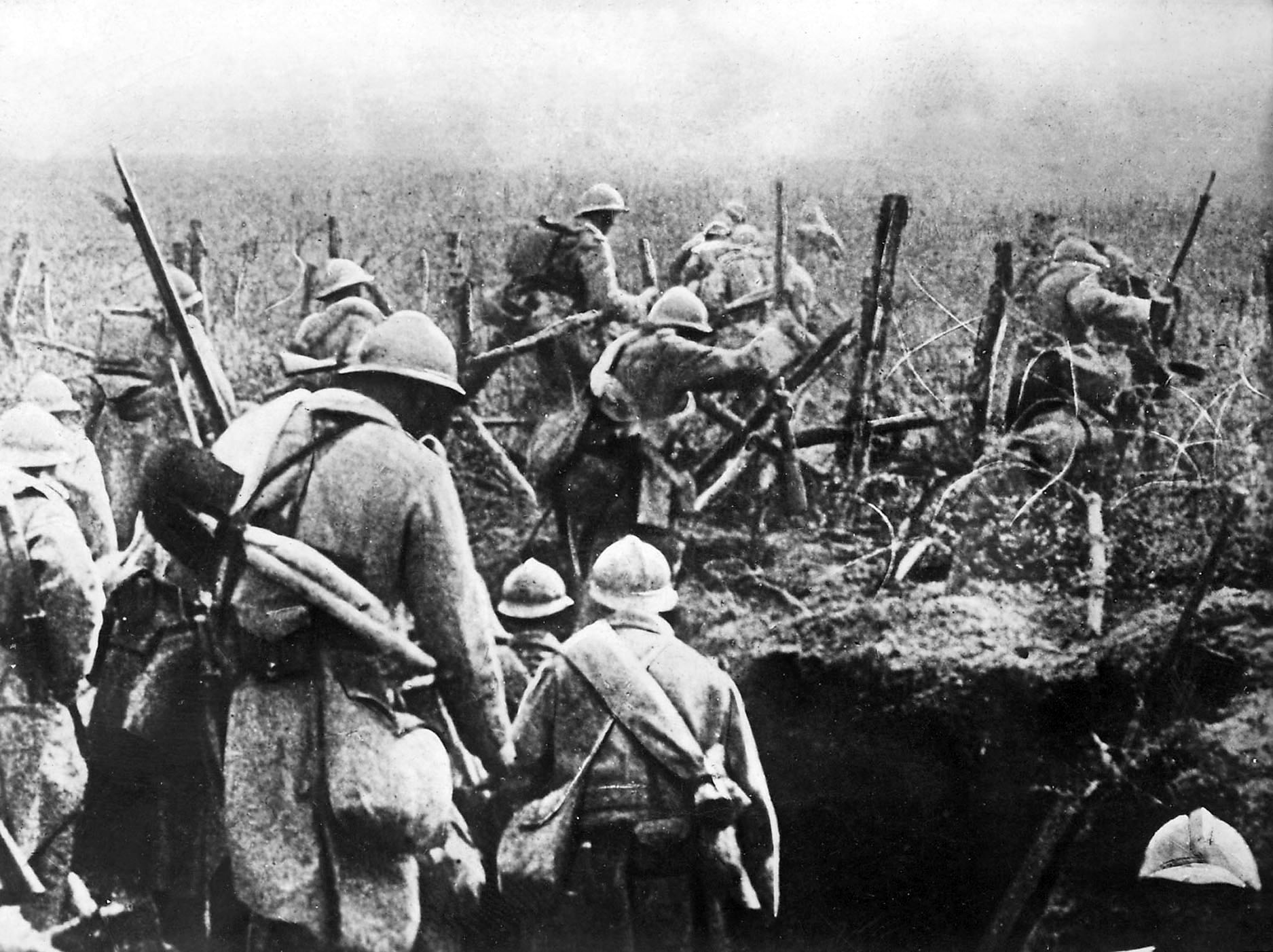
I am writing this by the light of a burning forest. That is not a metaphor — the woods around us are on fire. The German shells have set the trees ablaze, and the flames paint the sky in shades of orange and red that would be beautiful if they did not mean death. The smoke is so thick I can taste it. It tastes like everything I have lost and everything I fear I will never have.
I have not held our daughter. I have not touched her cheek or counted her fingers or felt the impossible weight of her sleeping on my chest. I have only the photograph you sent, creased and smudged now from the thousand times I have pulled it from my pocket. I look at it in the dark when the shelling stops, and I try to imagine her voice. I try to imagine the sound she makes when she laughs. The padre tells me she will know me when I return — that babies know their fathers by some instinct I cannot understand. I pray he is right. I pray she does not cry when I reach for her.
Today is the fourth of June, and I realized this morning that I missed our anniversary. The twenty-fifth of May. One year since I stood in the church in Lyon and watched you walk toward me in that ivory dress with the lace collar you had sewn yourself. I wanted to send you flowers. I wanted to find a way to say: I remember. I remember the way your hand trembled in mine. I remember the rain on the windows and the way you laughed when we ran for the carriage. But there are no flowers here. There is only mud and fire and the sound of men crying in the dark.
I have drawn you a picture on the back of this letter. It is not a good drawing — I was never good at drawing, you will say, and you will be right. But it is a house. A small house with a blue door and a chimney and a garden where we will grow tomatoes and lavender and the roses you love. I have drawn two windows — one for you and one for me. And I have drawn a third, smaller window in the attic, for our little one. We will build it when I come home. I will learn carpentry properly, not just the rough work I did before the war. I will build us a home that stands for a hundred years.
Tell our little one that her papa loved her before he ever knew her. Tell her that I dreamed of her face before it had a shape. Tell her that in the burning forest of Verdun, in the smoke and the noise and the horror, the thought of her was the only light I could see. If I do not come home — and I must be honest with you, Marie, the chances grow slimmer with each attack — tell her that I existed to love her, and that love does not die when the body falls.
The corporal is calling. We must move forward into the fire.
Je t’aime. Je vous aime toutes les deux. Pour toujours.
Your Henri
What Happened
Aftermath
Historical Context
Timeline
Germany declares war on France. Henri, a carpenter from Lyon, is mobilized into the 124th Infantry Regiment.
Henri and Marie marry in Lyon. He has five days of leave before returning to the front.
Fort Douaumont falls to the Germans. Henri's regiment is ordered to Verdun.
Henri's daughter Amélie is born in Lyon. He receives a photograph but never holds her.
Henri writes this letter on the eve of the assault. It is never sent.
Henri is killed during the assault on Fort Douaumont. The letter falls from his pocket.
German soldier Karl Weber finds the letter and keeps it.
Armistice. Karl Weber returns to Berlin with the letter stored in his kit bag.
The letter is discovered in a Berlin attic and traced to Henri's granddaughter.
Claire Dubois receives the letter at a ceremony in Berlin, 91 years after it was written.
Origin
More from World War I
The Last Night Before the War
A French farmer conscripted in August 1914 writes to his wife of two months on the eve of the First Battle of the Marne. He died the next day.
Antoine Roussel → Colette Roussel
If I Should Fall
A French soldier's letter to his sweetheart, written before the Second Battle of Ypres. Jean-Luc was a poet before the war.
Jean-Luc Moreau → Claire Dubois
The French Jewish Soldier
A French soldier of Jewish faith from Alsace writes to his wife on the morning of the Second Battle of Artois, blending French and Hebrew in his final farewell.
David Lévy → Rachel Lévy